AI reception avatar: how should handover to staff work?
An AI avatar can handle routine enquiries, but some situations require a member of staff. Learn how to organise this handover without disrupting the visitor journey.
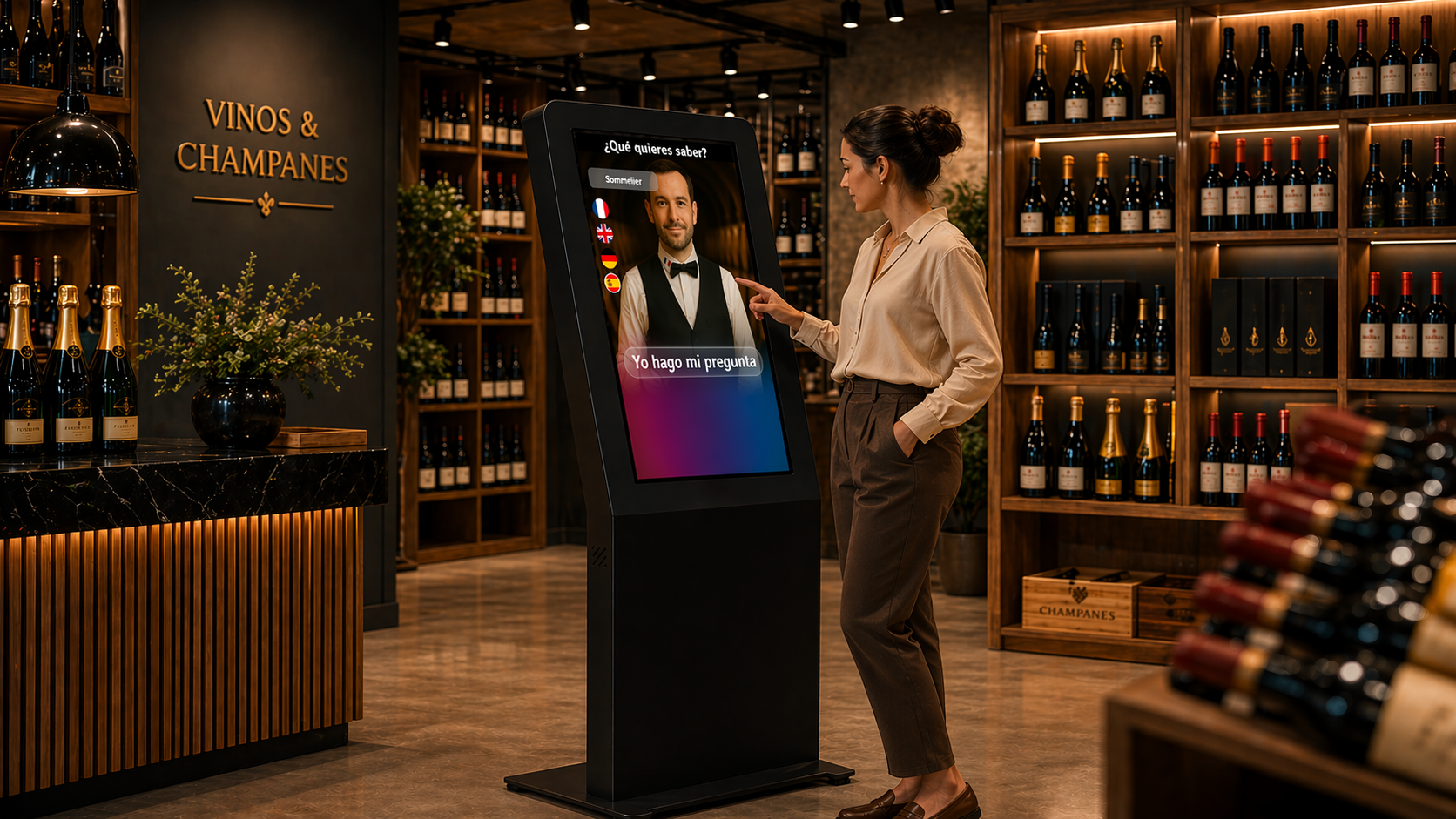
An AI reception avatar can introduce a venue, answer routine questions and direct visitors. Its usefulness, however, also depends on what happens when a request falls outside the planned scope. If visitors do not know how to reach a person, the system may become an additional step rather than a genuine reception point.
The right approach is therefore to design automated handling and human handover together. The organisation must decide which enquiries are handled directly, which situations are transferred, who takes responsibility and what visitors are told during the transition.
Give the avatar a precise reception role
The initial objective is not to make the avatar answer everything. It needs a clear mission: provide a first level of information and lead visitors to the right resource. This scope may include introducing the venue, presenting available services, sharing organisation-approved opening times, giving access directions or identifying the appropriate contact.
SANIA combines a conversational avatar, artificial intelligence and a professional display. Visitors can speak naturally and receive answers based on content the organisation has chosen to make available. The page about the SANIA AI reception avatar explains this reception, information and wayfinding approach.
Map enquiries before defining handovers
An effective setup starts with the enquiries people actually make at reception. The project team can classify them by frequency, sensitivity and required level of decision-making. This map prevents the journey from being built around theoretical scenarios that do not reflect day-to-day operations.
- List routine questions using observations and feedback from reception staff.
- Identify answers that can be delivered from stable, approved information.
- Separate requests that require judgement, authorisation or access to information that should not be exposed.
- Link every transferred request to a function, department or handling procedure.
Separate simple directions, assistance and sensitive cases
Routine enquiries
A location question, service overview or general direction can often be handled within the digital journey, provided the information is clear and current. The answer should be concise and offer a concrete next step: follow a direction, go to a particular area or report to an identified department.
Enquiries requiring assistance
A request may be legitimate while extending beyond the avatar’s documented scope. The system should then acknowledge that limit and explain what comes next without improvising. Depending on the venue, visitors might be directed to a desk, asked to contact a department through the designated channel or invited to wait for a staff member.
Sensitive or urgent situations
Complex complaints, incidents, personal enquiries and urgent situations must follow a procedure defined by the organisation. The avatar must not become a barrier between visitors and staff. The handover message should be short, explicit and consistent with internal instructions.
Design a handover visitors can understand
Simply stating that a request cannot be handled is not enough. A useful transition answers three questions: why is the conversation stopping, who can help and what should the visitor do now? Wording should remain positive and avoid technical language about how the AI works.
- Name a department or role rather than an individual who may be absent.
- Give brief spatial directions that match the signs visible throughout the venue.
- Avoid asking visitors to repeat the same request several times.
- Provide an alternative when the usual contact point is closed or unavailable.
- Use accessible wording in each language offered by the organisation.
Prepare the staff receiving transferred enquiries
The journey can only be seamless if staff understand the system’s role. They need to know what information it provides, which enquiries may reach them and how to report an inaccurate or outdated answer. This preparation is especially important when the avatar is part of a wider digital reception setup alongside information screens or internal channels. Corporate digital signage solutions can help maintain consistency between messages intended for visitors and employees.
- Appoint a business owner to approve answers and handover procedures.
- Brief the relevant teams before the service is opened to visitors.
- Create an internal channel for reporting new or misunderstood questions.
- Document changes to opening times, access, services or organisation that affect answers.
Test broken journeys before launch
Acceptance testing should not focus solely on correct answers. Edge cases are equally revealing: an ambiguous question, a closed department, an absent contact, an unrelated request or temporarily unavailable information. Testing these situations confirms whether visitors always receive an understandable next step.
- Ask people unfamiliar with the venue’s organisation to test the journey.
- Check that every direction uses names and routes that are genuinely visible on site.
- Simulate an unavailable department and assess the relevance of the proposed alternative.
- Observe hesitation, then improve the answer, wording or procedure rather than automatically adding more text.
Adapt the system as the organisation changes
A reception journey is never fixed. Departments move, opening times change and new questions emerge. Simple governance should define who collects feedback, who approves changes and when content is reviewed. The screen must also be selected and integrated according to its location, visibility, orientation and expected level of interaction. ALLSAN supports this aspect with professional digital signage displays suited to the project context.
The right criterion: a clear next step
The quality of a reception avatar is not measured solely by how many questions it can answer. It also depends on its ability to avoid leaving visitors without a solution. By defining boundaries, owners and procedures before deployment, the organisation creates a more coherent reception experience: the avatar handles its approved scope, while staff step in where their judgement or availability adds genuine value.
Would you like to structure human handovers around SANIA? Contact ALLSAN to review your reception journey and the situations your system needs to handle.