
How to structure an in-store screen advertising network
Technology, campaign sales, content and local operations: learn how to allocate responsibilities when building a coherent in-store advertising network.
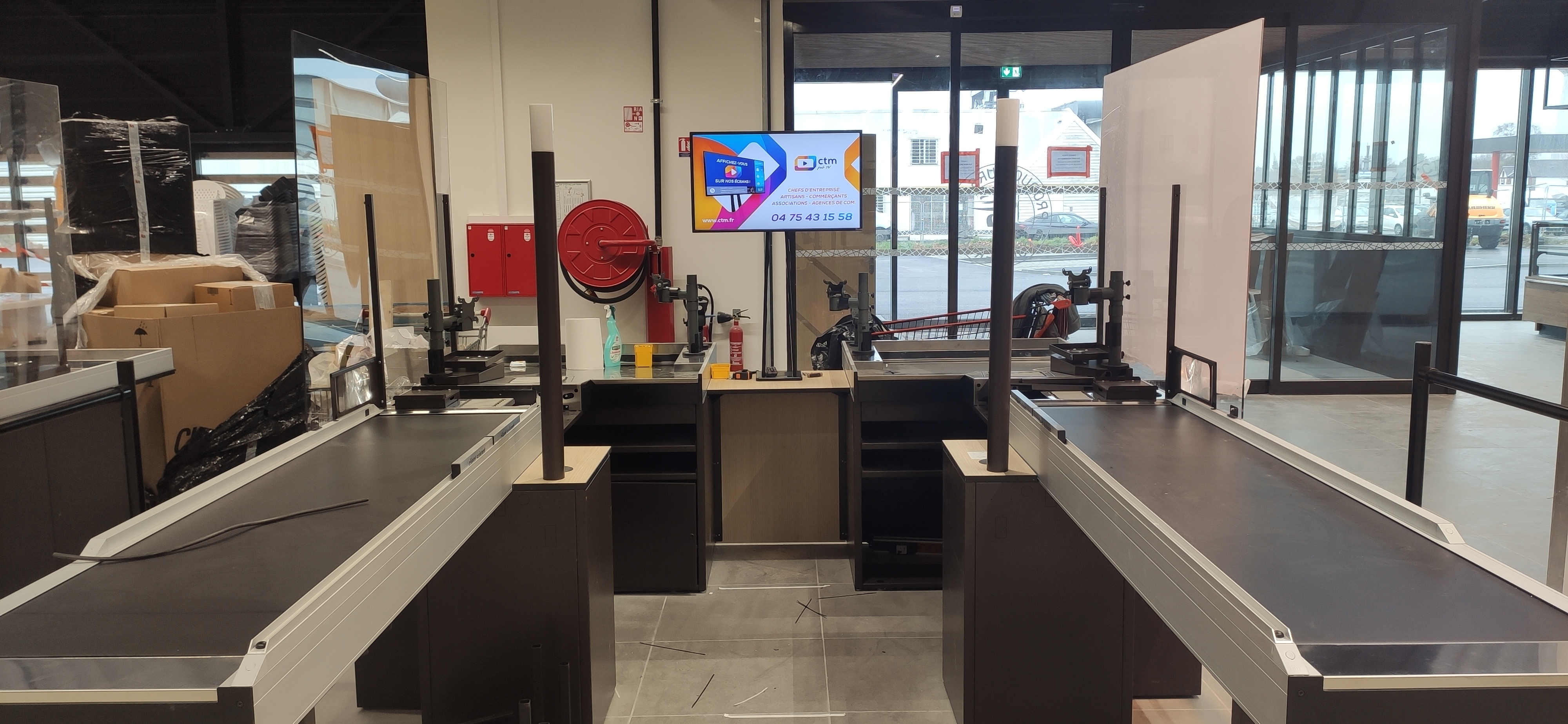
Creating an in-store screen advertising network involves more than installing displays and selling advertising space. It requires a reliable technical estate, an offer advertisers can understand, clear editorial rules and an organisation that fits the day-to-day operation of each store.
The first decision is therefore to allocate responsibilities clearly. Who installs and supervises the displays? Who sells campaigns? Who approves content? Who takes action when scheduled media must be changed? This governance is just as important to the consistency of the service as the choice of hardware.
Separate three complementary areas of expertise
A screen-based retail media project involves at least three functions: digital signage technology, advertising sales and store operations. They contribute to a common objective, but they do not have the same constraints or contacts. Keeping them distinct prevents grey areas during both deployment and operation.
The technology platform
The technology component covers display selection and integration, placement, media delivery and estate supervision. The software must make it possible to prepare, schedule and change content remotely. At ALLSAN, this role is supported in particular by SanDisplay, which was developed to create, schedule, distribute and supervise content across a display estate.
This technical layer should be considered before the advertising offer is designed. Display orientation, viewing distance, location and operating pattern affect the formats that can be proposed. Professional displays suited to their installation environment therefore form the visible infrastructure of the future network.
The advertising sales operation
The advertising sales team turns the network’s capabilities into an offer that advertisers can use. It defines marketable placements, explains the viewing context, organises calendars and collects the assets required for each campaign. It must also enforce the formats and rules agreed with the retailer or individual store.
In the joint model presented by ALLSAN and CTM Pub TV, the roles complement one another. ALLSAN develops the software, integrates the displays and supports digitalisation projects. CTM Pub TV sells and distributes advertising campaigns across its screen network in partner supermarkets. This allocation identifies an owner for each stage without confusing technical integration with advertising sales.
The store and its editorial framework
The store retains a central role. Its teams understand the spaces, commercial priorities, operating constraints and messages that must remain part of the store’s own communication. They should help define accepted categories, sensitive periods, approval procedures and the people authorised to request a change.
Build the offer around the customer journey
A coherent advertising network begins with a map of customer touchpoints. A display at the entrance, in an aisle, in a promotional area or near the checkouts appears at a different stage of the visit. Before creating packages, document the purpose of every placement and the actual conditions in which people can view it.
- Identify the relevant displays, their orientation, surroundings and typical viewing distance.
- Separate placements available for advertising from those reserved for store information.
- Define the formats, durations and asset submission deadlines supported by the chosen organisation.
- Name the people responsible for editorial approval, scheduling and technical monitoring.
- Establish a simple procedure for replacing, suspending or correcting a campaign.
This mapping exercise prevents every screen from being presented as identical inventory. It also helps preserve a clear digital customer journey in which advertising, practical information and the store’s own messages each have a defined place.
Document the campaign workflow
Once roles and placements have been established, the operational workflow should be documented from start to finish. The aim is not to add unnecessary approval stages, but to make every campaign predictable for the advertiser, sales team, technical team and store.
- Qualify the request by recording the advertiser, objective, delivery area, requested period and proposed media.
- Check placement availability and confirm that the proposal meets the editorial rules.
- Collect the files and review their format, legibility and suitability for the intended displays.
- Obtain the required approval, then schedule the campaign for the agreed scope and period.
- Monitor delivery from an operational perspective and process any correction requests.
- Close the campaign while retaining information useful for operations and future schedules.
Which indicators should be monitored initially?
Without attributing results that the displays do not measure directly, several operational indicators can support management: available placements, booked periods, scheduled campaigns, asset compliance, correction requests and delivery incidents. These indicators primarily describe the quality of network operations.
Teams can also monitor the balance between advertising and store communication, along with compliance with submission and approval deadlines. This information helps improve processes, clarify responsibilities and make the offer easier to operate without making undocumented performance claims.
When should an integrator and advertising sales operator work together?
This structure is relevant when a store or retail network wants to develop an advertising activity without making one team responsible for every technical, commercial and editorial matter. It can also frame the initiative from the design stage: placements, equipment, formats, governance, sales and operations are treated as parts of the same system.
Before launch, bring together store, communication, technical and advertising representatives around a display plan and a sample campaign. This practical exercise quickly exposes missing decisions and makes it easier to write an operational workflow that everyone can follow.
Would you like to define the technology and advertising sides of your project? Present your network, placements and organisation to ALLSAN so that an appropriate customer journey can be considered.